%201.avif)
We Before Me: How Four Straight Flower Mound Finalists Show What Real team culture looks like
Four regional finalists in four straight weight classes punched tickets to state—showing what real team culture looks like at Flower Mound.
BY
Ranked Texas
February 8, 2026
5 min read
At most regional tournaments, sending one wrestler to the finals is a big moment. Sending two is a statement.Sending four regional finalists in four consecutive weight classes is something else entirely.
That’s exactly what the Flower Mound girls wrestling program did this weekend as Naziah Moore (145), London Rolen (155), Aisha Williams Bautista (170), and Wema Laktari (190) all punched their tickets to the state tournament—back-to-back-to-back-to-back.
In a sport built on individual performance, this stretch of the lineup showed something deeper: a program where unity, mindset, and accountability aren’t slogans—they’re daily habits.
One Group, One Identity
If you ask the athletes what separates this group, the answers all point to the same place—mindset and connection.
Naziah Moore describes a team that operates with total honesty and shared standards.
Behind the scenes, she says, the group is “very honest with each other,” pushing one another both on and off the mat. Since preseason, the pace has been relentless, and once they turned up the intensity, they never brought it back down. That commitment shows up in how they present themselves—same warmups, same look, moving as one unit. When people see Flower Mound, Moore says, they see the team—not individuals.
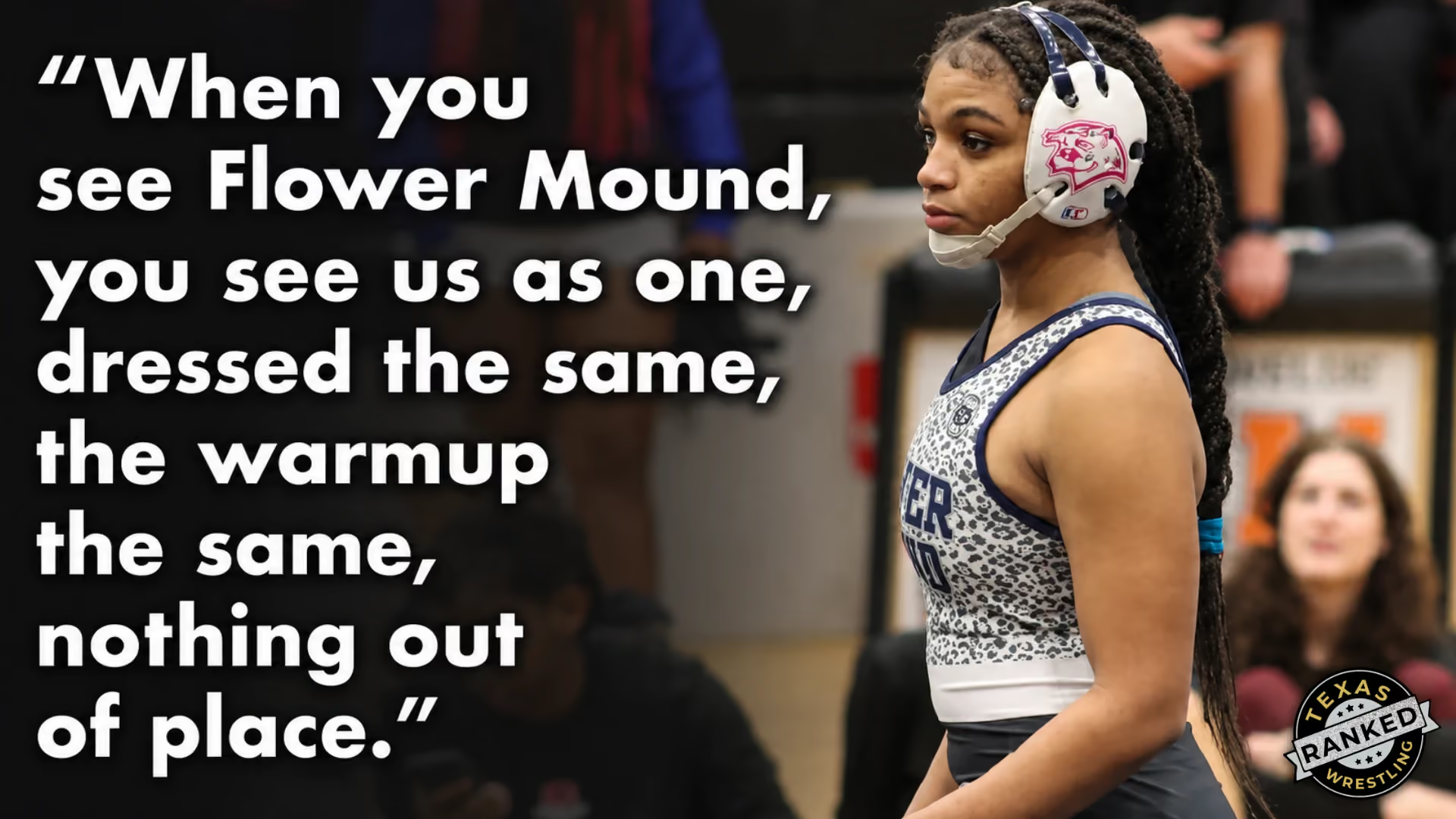
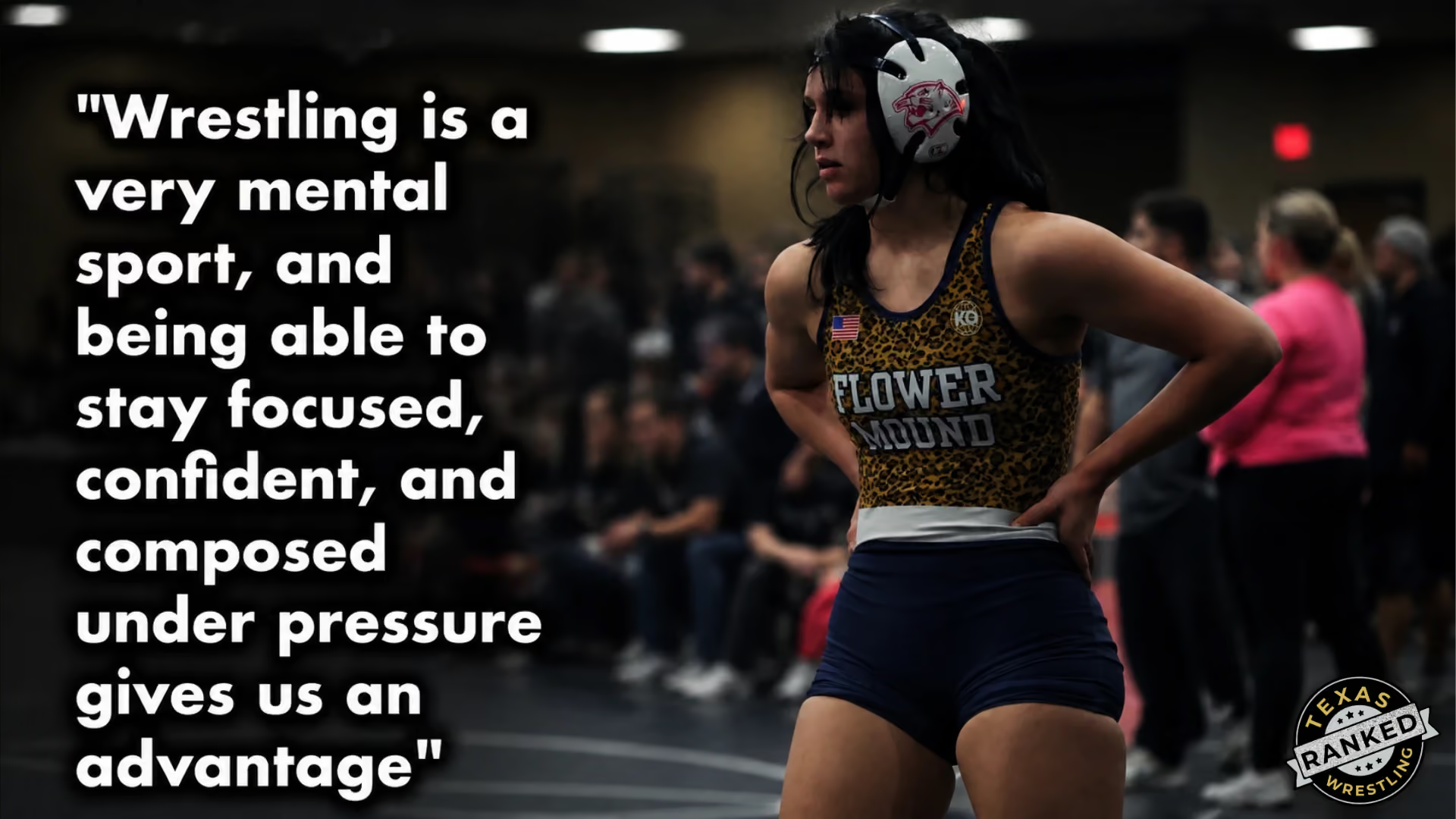
London Rolen echoes that idea but frames it through the mental side of the sport. At Flower Mound, mindset training is intentional. Every week the team meets with a mindset coach, working through weaknesses and building confidence under pressure. Wrestling, she explains, is as mental as it is physical, and the ability to stay composed in big moments gives the Lady Jags an edge.
For Aisha Williams Bautista, what separates this group is both competitiveness and adaptability. The four frequently rotate partners in practice, forcing each other to adjust to different styles. That constant exposure makes them more versatile and more dangerous when matches get unpredictable.
Wema Laktari keeps it simple: the difference is hunger. Each match is approached with the mindset that it could be the last—fight for every position, every second.
Different wording. Same foundation.
Momentum You Can Feel
At regionals, the lineup order created something special. One finalist walked off the mat, and another stepped on almost immediately.
That energy was impossible to ignore.
Moore said even though she didn’t win her finals match, watching her teammates succeed elevated her own mindset. Running through the bracket together before finals helped settle nerves and created a shared confidence—an understanding that they were in it together.
For Rolen, seeing a teammate battle right before her own match flipped a switch. The environment—teammates cheering, energy building—pushed her to empty the tank. Her triple-overtime win didn’t just secure her own title; it set the tone for the final two matches that followed.
Williams Bautista describes it as feeding off each other’s intensity. Knowing you have a strong group beside you doesn’t just boost confidence—it makes you wrestle freer and more aggressively.
Laktari, who closed out the stretch, said watching her teammates deliver made her want to “show out even more.” When Flower Mound gets rolling, she says, it feels almost impossible to stop.
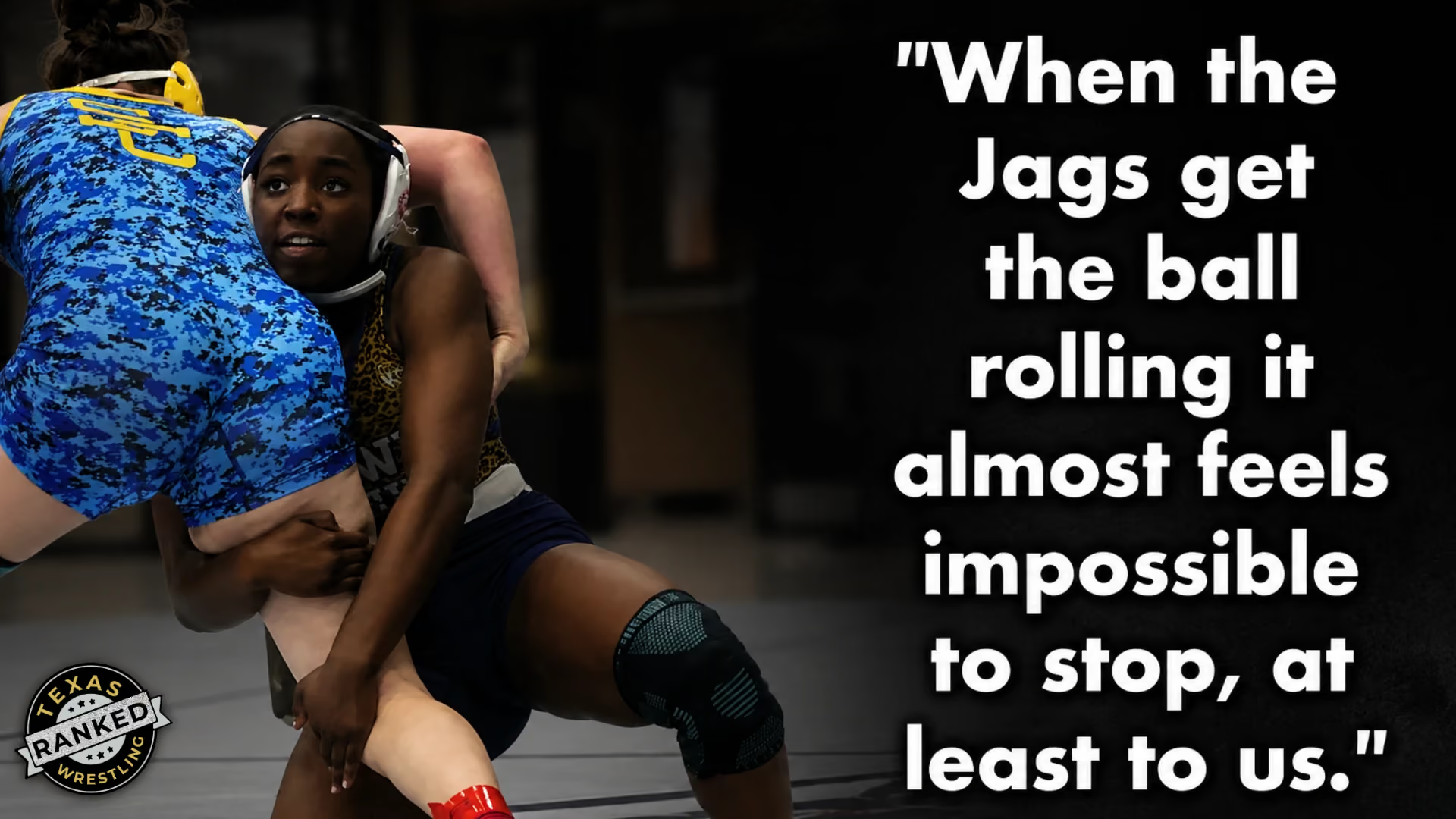
One match became momentum. Momentum became belief.
The Work Nobody Sees
What happened on the regional finals mat was just the visible result.
Behind it is a routine that’s anything but easy.
Moore points to the hard practices—the kind that push athletes to the edge—and the emphasis on training their mindset every week. Wrestling, she says, is heavily mental, and learning how to handle things when they don’t go right is a priority.
Rolen highlights the early mornings. Waking up at 5 a.m. for practice isn’t glamorous, but the grind builds toughness. Add in hard live goes and a standard of never conceding positions, and the culture becomes self-reinforcing.
Williams Bautista says the team studies more than just technique—they analyze their thoughts, reactions, and habits. Reflection is part of preparation.
Laktari notes that the intense practices and mindset sessions laid the foundation long before the postseason began.
By the time the spotlight hits, the work is already done.
How They Push Each Other
Ask what pushing each other looks like in practice, and none of them hesitate.
It’s everything.
Moore describes a room where intensity sometimes leads to disagreements in the moment—but that fire is exactly what sharpens them. Accountability is non-negotiable: recognize mistakes, fix them, move forward.
Rolen says practices get even tougher as postseason approaches. The room is competitive, but when someone struggles, the same teammates pushing them are also the first to encourage them.
Williams Bautista sees the tough moments as necessary. Encouragement and pressure exist side by side, because those hard exchanges are what show up when matches get tight.
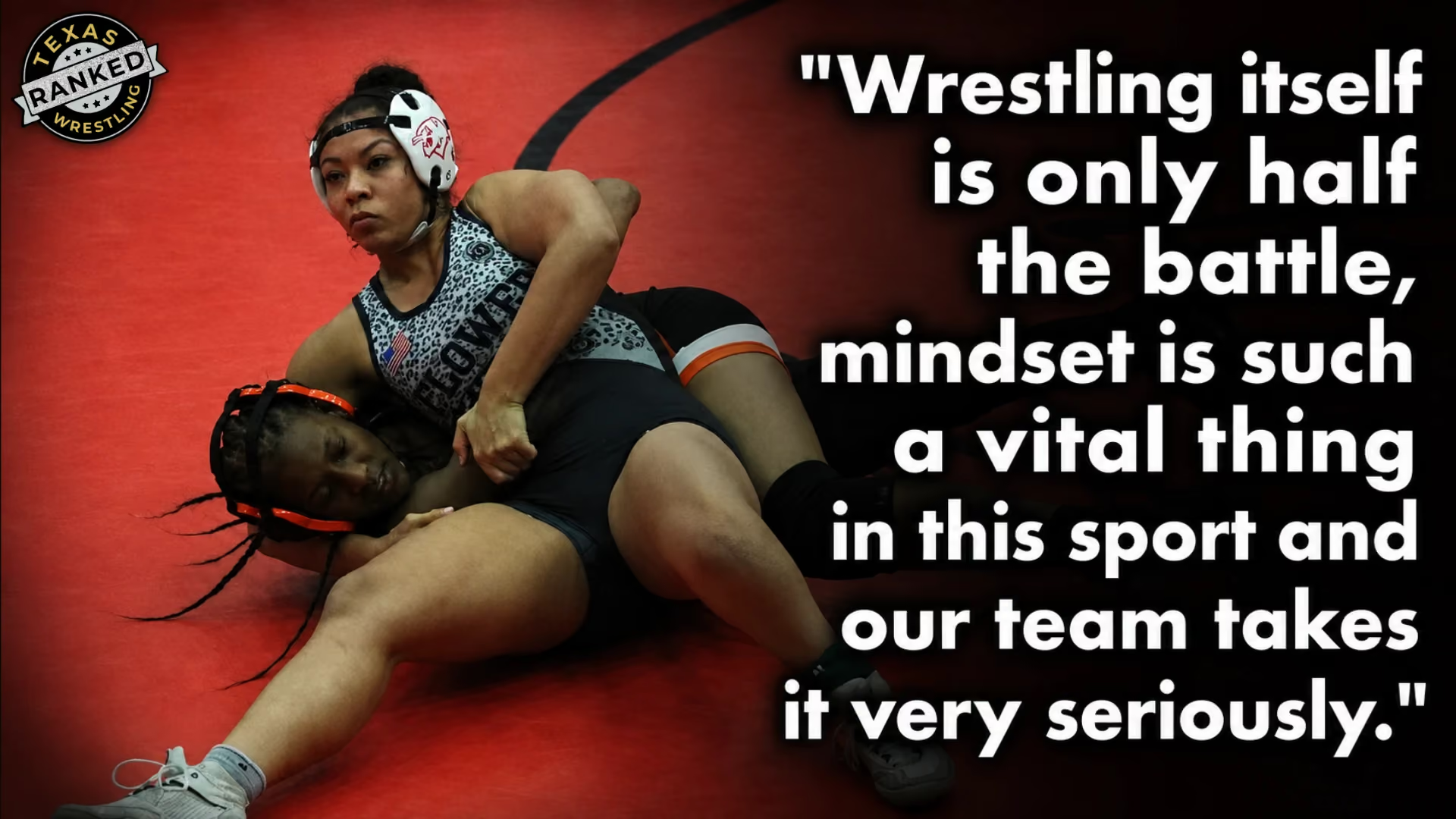
Laktari adds that many practices are designed to push them to the point of emptying the gas tank—especially across that heavier stretch of the lineup—because that’s where growth happens.
Iron sharpens iron. Every day.
More Sisterhood Than Teammates
Despite the intensity, every athlete returns to the same word when describing the culture.
Family.
Moore calls it a sisterhood—hard, demanding, but worth it. Even after the toughest practices, she says, you still leave smiling because of the bond the team has built.
Rolen describes a family-built environment where everyone wants the best for the person next to them. At the same time, the program holds itself to one of the highest standards on campus—hard work isn’t special, it’s expected.
Williams Bautista characterizes the culture as fierce and purposeful, built around clear goals and daily steps toward them.
Laktari points to a simple phrase the program lives by: “We over me.” That mindset extends beyond the mat, shaping how the team supports each other in competition and in everyday life.
Four Weights, One Standard
Having four regional finalists in four consecutive weight classes is rare.
Having four who speak with the same voice about accountability, mindset, and unity is even rarer.
From 145 through 190, Flower Mound didn’t just send individuals to the state tournament—they showcased what happens when a lineup becomes a unit.
Different styles. Different personalities. Same standard.
And as that stretch of the bracket proved this weekend, when the Lady Jags start rolling together, it’s hard to slow them down.
TRENDING ATHLETES